
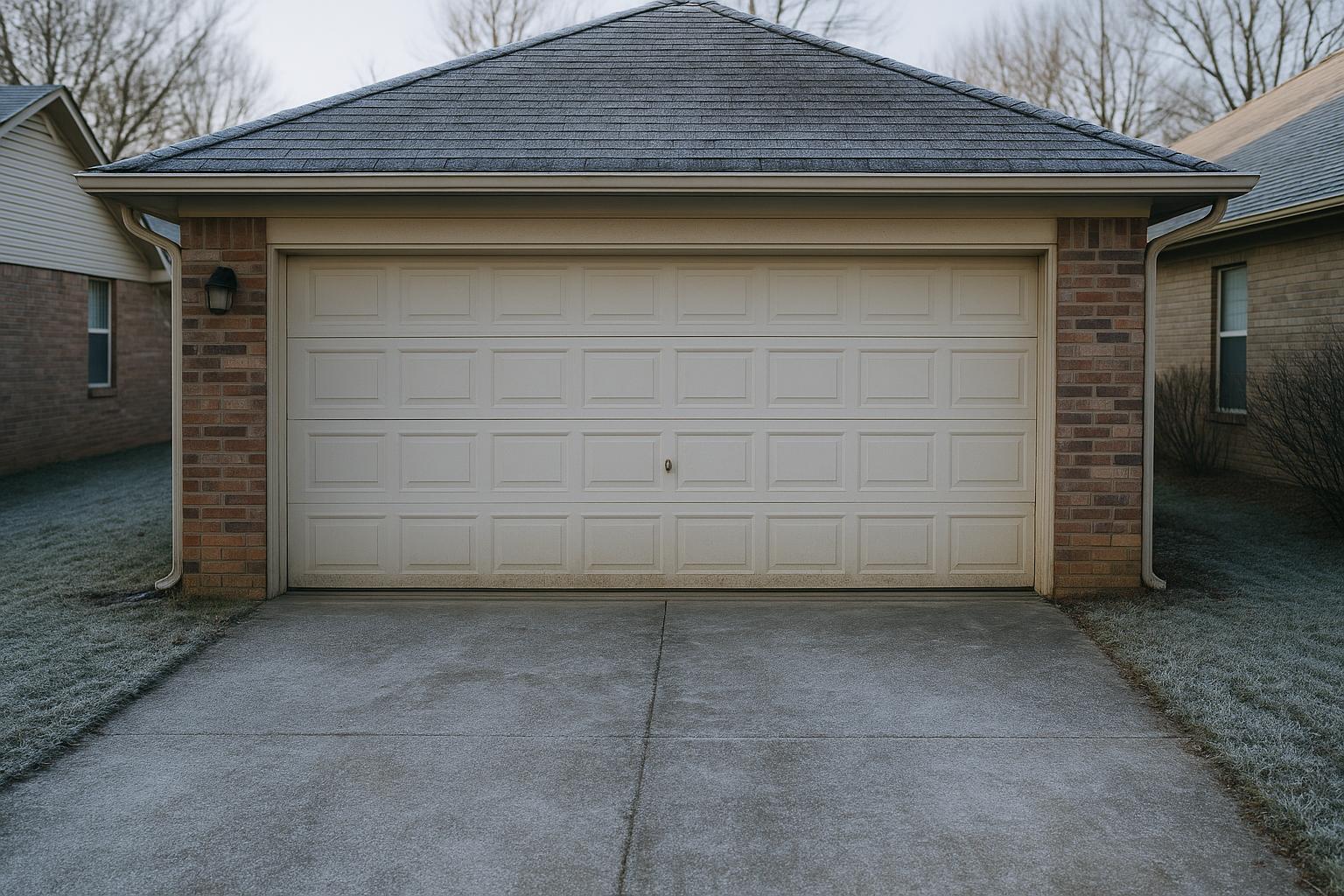
Cold Weather and Garage Doors Don't Always Get Along
West Columbia doesn't get the brutal winters that cities up north deal with, but our cold snaps can still cause real problems for garage doors. When temperatures drop into the 20s and 30s — especially overnight — homeowners across the Midlands wake up to garage doors that won't budge, move sluggishly, or make alarming noises on the way up.
If you've ever been stuck in your garage on a freezing morning wondering what went wrong, you're not alone. Cold weather affects nearly every component of your garage door system, from the metal springs to the lubricant on the tracks. The good news is that most cold-weather garage door problems are preventable, and many can be resolved without a service call.
Why Cold Weather Causes Garage Door Problems
Understanding what's happening behind the scenes helps you troubleshoot more effectively. Here are the most common reasons your garage door struggles when the temperature drops.
Metal Contracts in the Cold
Your garage door system is full of metal parts — springs, tracks, rollers, hinges, and the door panels themselves. When temperatures fall, metal contracts slightly. This contraction can cause parts to bind, increase friction along the tracks, and make springs less flexible. The result is a door that feels heavier to the opener and moves more slowly than usual.
Lubricant Thickens or Hardens
The grease and lubricant on your tracks, rollers, and springs can thicken significantly in cold weather. When lubricant becomes stiff, it creates resistance instead of reducing it. You might hear squealing, grinding, or popping sounds as the door struggles to move through hardened grease.
Weatherstripping Sticks to the Ground
The rubber weatherstripping along the bottom of your garage door can freeze to your garage floor or driveway, especially after rain or when moisture collects overnight. When the opener tries to lift the door, it meets unexpected resistance. In some cases, the opener's safety features will prevent it from forcing the door open, and it simply stops trying.
The Opener Loses Power or Sensitivity
Garage door openers are calibrated to handle a specific amount of resistance. When cold weather increases the effort needed to lift the door, the opener may interpret that extra resistance as an obstruction and shut down. This is actually a safety feature working correctly — but it's frustrating when there's no real obstruction.
How to Fix a Garage Door That Won't Open in the Cold
Before you call for help, try these steps to get your door moving again.
1. Check for Ice or Frozen Weatherstripping
Walk outside and look at the bottom edge of your garage door. If you see ice or frost bonding the weatherstripping to the ground, gently break the seal. You can use a flat shovel, a heat gun on a low setting, or even pour warm (not boiling) water along the base. Never yank the door up forcefully, as this can tear the weatherstripping or damage the bottom panel.
2. Try the Manual Release
Pull the red emergency release cord hanging from your opener's track. This disconnects the door from the automatic opener and lets you lift it by hand. If the door opens manually but not with the opener, the issue is likely with the opener's force settings rather than the door itself.
3. Apply a Cold-Weather Lubricant
Standard garage door lubricant can fail in cold conditions. Switch to a silicone-based spray lubricant designed for low temperatures. Apply it to the springs, rollers, hinges, and tracks. This can make an immediate difference in how smoothly the door operates. Avoid using WD-40 as a long-term lubricant — it works as a solvent but doesn't provide lasting lubrication.
4. Clear the Tracks
Inspect the vertical and horizontal tracks on both sides of the door. Look for debris, hardened grease buildup, or any signs of ice inside the track channel. Wipe the tracks clean with a rag and reapply fresh lubricant.
5. Adjust the Opener's Force Settings
Most garage door openers have adjustable force settings that control how hard the motor works to open and close the door. During cold weather, you may need to increase the open-force setting slightly. Check your opener's manual for instructions — it's usually a simple dial or screw adjustment on the back or side of the unit. Just remember to set it back when temperatures warm up.
How to Prevent Cold-Weather Garage Door Problems
A little preparation before winter hits can save you from dealing with a stuck door on the coldest morning of the year.
- Schedule a fall maintenance visit. Having a professional inspect and tune up your garage door before cold weather arrives is the single best thing you can do. We'll check spring tension, lubricate all moving parts with weather-appropriate products, and make sure everything is adjusted properly.
- Replace old weatherstripping. If your bottom seal is cracked, brittle, or compressed flat, it's more likely to freeze to the ground and less effective at keeping cold air out. Fresh weatherstripping is inexpensive and makes a noticeable difference.
- Keep the garage floor dry. Water that pools near the base of your door will freeze overnight and bond the door to the floor. Make sure your driveway slopes away from the garage, and mop up any standing water inside.
- Insulate your garage door. An insulated garage door maintains a more stable temperature inside the garage, which reduces the severity of cold-weather issues. If you're considering a new garage door installation, insulated models are especially worth it here in West Columbia where energy costs add up during both summer and winter.
When to Call a Professional
Some cold-weather garage door problems go beyond what a homeowner should tackle alone. Call a professional if you notice any of the following:
- The door is visibly off-track or crooked when opening
- You hear a loud bang from the spring area — this likely means a spring has broken
- The door opens a few inches and stops, even after adjusting the opener
- Cables appear frayed, loose, or hanging
- The door feels extremely heavy when you try to lift it manually
These symptoms can indicate broken springs, worn cables, or opener motor failure — all of which require proper tools and training to repair safely. Garage door springs are under extreme tension and should never be adjusted or replaced by someone without experience.
Don't Let a Cold Morning Ruin Your Day
Cold-weather garage door issues are common across West Columbia, Cayce, Lexington, and the surrounding areas, but they don't have to catch you off guard. A combination of seasonal maintenance, proper lubrication, and knowing what to check when something goes wrong will keep your garage door reliable all winter long.
If your garage door is giving you trouble this season — or if you want to get ahead of problems with a maintenance tune-up — West Columbia Garage Door is here to help. We serve homeowners and businesses throughout the Midlands and can usually get to you the same day you call.