
A Frustrating Problem That's More Common Than You Think
You press the button on your garage door remote, the door begins its descent, and then—just inches from the ground—it suddenly reverses and goes right back up. You try again. Same thing. Maybe it works on the third attempt, maybe it doesn't. Either way, you're left standing in your driveway wondering what went wrong.
This is one of the most common garage door complaints we hear from homeowners in West Columbia, and the good news is that the cause is usually straightforward. The bad news? Ignoring it can lead to bigger problems down the road. Let's walk through the most likely reasons your garage door reverses before closing and what you can do about each one.
Understanding Your Garage Door's Safety Systems
Before we dive into causes, it helps to understand why your garage door is designed to reverse in the first place. Modern garage door openers are equipped with two key safety mechanisms mandated by federal law since 1993:
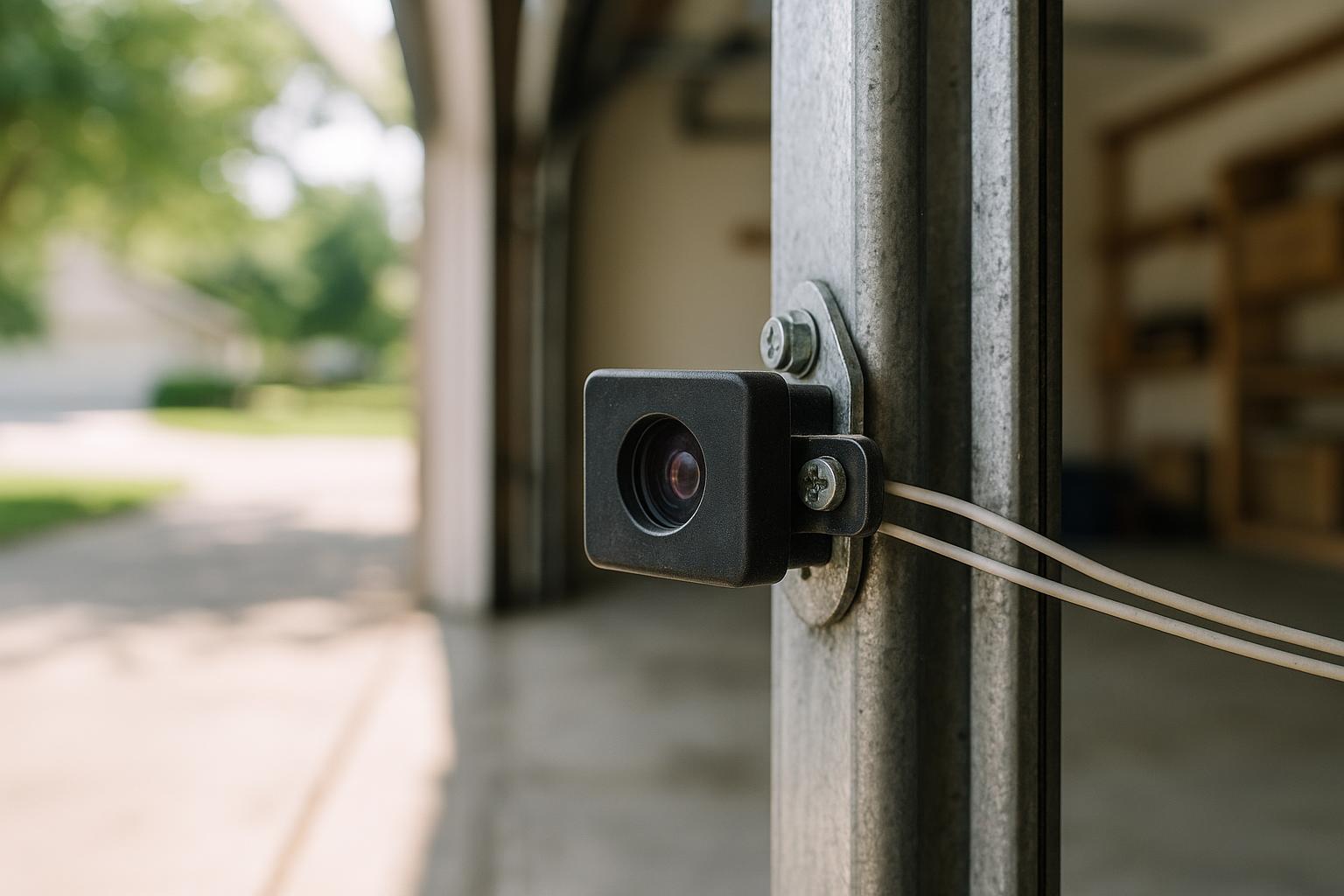
- Photo-eye sensors: These are the small devices mounted near the bottom of your garage door tracks on either side. They project an invisible beam across the opening. If anything breaks that beam while the door is closing, the opener reverses the door immediately.
- Auto-reverse mechanism: If the door encounters physical resistance while closing—like hitting an object or the floor unevenly—the opener's force settings tell it to reverse direction.
Both of these systems exist to prevent injuries and property damage. So when your door reverses unexpectedly, it's usually because one of these safety features has been triggered, even when there's no actual obstruction.
Misaligned or Dirty Photo-Eye Sensors
This is the number one cause of a garage door that won't stay closed. The photo-eye sensors on either side of the door need to be perfectly aligned with each other to maintain the infrared beam. If one sensor gets bumped—maybe by a bicycle, a lawnmower, or even a curious pet—the beam breaks and the door thinks something is in the way.
Here's what you can do:
- Check both sensors to make sure they're pointing directly at each other. Most sensors have a small LED light that glows steadily when aligned and blinks when they're not.
- Clean the lenses with a soft cloth. Dust, cobwebs, and pollen are surprisingly effective at blocking the sensor beam, especially during spring and summer here in the Midlands.
- Make sure nothing is obstructing the path between the two sensors, even partially. A garden hose or a stray leaf can cause intermittent issues.
If the lights on your sensors keep blinking even after cleaning and realigning, the wiring may be damaged or the sensors themselves may need replacement.
Incorrect Force or Travel Limit Settings
Your garage door opener has adjustable settings that control how far the door travels and how much force it uses to close. If the close-force setting is too low, the opener interprets normal resistance from the door's weight as an obstruction and reverses. Similarly, if the travel limit is set incorrectly, the opener may think the door has hit something when it's simply reached the floor.
Most openers have small adjustment dials or screws on the back or side of the motor unit. Your owner's manual will show you where these are and how to adjust them. Small adjustments go a long way—turn the dial in tiny increments and test the door after each change.
That said, if you're not comfortable making these adjustments yourself, it's worth having a professional take a look. Setting the force too high can create a safety hazard, and setting the travel limit incorrectly can cause the door to slam into the floor or not seal properly.
Worn or Damaged Tracks
The metal tracks that guide your garage door up and down need to be clean, properly aligned, and free of dents or bends. Over time, tracks can shift, especially in older homes around West Columbia and Cayce where settling foundations are not uncommon. Even a small bend in the track can create enough resistance to trigger the auto-reverse.
Visually inspect the tracks on both sides of the door. Look for:
- Visible dents, bends, or flat spots
- Gaps between the track and the wall-mounted brackets
- Debris like leaves, dirt, or small rocks caught in the track
- Rust or corrosion that could create friction
You can clean the tracks with a damp cloth and remove minor debris yourself. However, bending tracks back into shape or realigning them is a job best left to a technician with the right tools.
Broken or Worn Rollers
The rollers that sit inside the tracks allow your garage door to move smoothly. When rollers crack, chip, or wear flat, they create friction and resistance. The opener senses this resistance and reverses the door as a precaution.
Nylon rollers typically last longer and operate more quietly than steel rollers, but both types wear out eventually. If you notice your door is noisier than usual or seems to hesitate during operation, worn rollers could be the culprit. Replacing rollers involves removing and reinstalling door panels one at a time, so most homeowners prefer to have this done professionally.
Spring Issues Affecting Door Balance
Your garage door springs do the heavy lifting—literally. They counterbalance the weight of the door so the opener doesn't have to work as hard. When a spring weakens or breaks, the door becomes significantly heavier, and the opener may not have enough force to close it fully without triggering the auto-reverse.
You can test your door's balance by disconnecting the opener (pull the red emergency release handle) and manually lifting the door halfway. A properly balanced door should stay in place. If it falls or rises on its own, the springs likely need attention.
Important: Garage door springs are under extreme tension and can cause serious injury if handled incorrectly. Spring replacement should always be performed by a trained professional.
Weather-Related Causes
South Carolina's humidity and temperature swings can affect your garage door in ways you might not expect. Wooden doors can swell in humid weather, creating a tighter fit that the opener interprets as resistance. Metal tracks expand in heat and contract in cold, which can subtly shift alignment. Even the rubber weatherstripping at the bottom of the door can become stiff or sticky in extreme temperatures, adding just enough friction to trigger a reversal.
If the problem seems to come and go with the weather, it's worth having your door and opener inspected to make sure the force and limit settings account for seasonal changes.
When to Call a Professional
Many of these issues—dirty sensors, minor track debris, simple realignment—are things a handy homeowner can address in a few minutes. But if you've gone through the basics and your door still won't close properly, or if the problem involves springs, tracks, or opener mechanics, it's time to call in an expert.
At West Columbia Garage Door, we troubleshoot reversing issues regularly for homeowners across West Columbia, Columbia, Lexington, and the surrounding communities. We'll diagnose the problem quickly, explain your options clearly, and get your door working reliably again. There's no reason to keep playing the close-and-reverse game every time you leave the house.
Give us a call or reach out online to schedule a service visit. A garage door that actually closes when you tell it to—that shouldn't be too much to ask.