
What a Technician Sees This Time of Year
Late fall service calls in this area tend to follow a pattern. A homeowner notices the door is sticking at the bottom corners, or it groans loudly on the first cold morning after weeks of mild weather. When we pull the panels back, we usually find swollen wood trim from months of humidity, rust starting on hardware that never got wiped down after summer storms, and weatherstripping that's cracked or gapped from UV exposure. None of it is dramatic on its own, but stacked together it's exactly what causes a door to bind, jam, or fail outright once temperatures drop and an ice storm rolls through.
Check the Weatherstripping and Seals First
The rubber seal along the bottom of the door and the vinyl stripping around the frame take a beating here. Summer humidity and pine sap residue break down rubber faster than people expect, and once it cracks or pulls away, cold air, wind-driven rain, and small debris start working their way in. Run your hand along the bottom seal and side seals now. If it's brittle, flattened, or torn in sections, replace it before winter rather than after you've got a draft blowing across the garage floor. New seals are inexpensive compared to what moisture damage does to stored items or a wood-frame door over a season.
Look for Rust Before It Spreads
Hinges, rollers, and track bolts exposed to repeated humidity and hurricane-remnant rain tend to show surface rust by late fall. Left alone through winter, that rust pits the metal and makes rollers grind instead of glide. Wipe down hardware with a dry cloth, then apply a silicone-based lubricant to hinges, rollers, and the track. Avoid heavy grease, which attracts dust and pine debris and gums up in cold weather. A light coat now keeps things moving smoothly even when temperatures swing from a warm afternoon to a hard freeze overnight.
Prepare for Power Outages
Ice storms in this part of South Carolina don't happen every year, but when they do, they bring down tree limbs and power lines fast, and a garage door opener with a dead battery backup is one more thing you don't want to deal with in the dark. Test the backup battery on your opener if it has one. If you don't know whether your opener has a backup, that's worth finding out before a storm, not during one. Also locate the manual release cord and make sure it pulls freely. If ice knocks out power for a day or two, you'll want to be able to open the door by hand without fighting a release mechanism that hasn't been used in years.
Clear Tracks of Pine Debris and Grit
Pine needles, seed pods, and fine grit wash into garage door tracks during fall rain and tend to sit there through winter if nobody clears them out. That buildup forces rollers off their path and adds resistance that strains the opener motor, especially on cold mornings when everything is already stiffer than usual. A stiff brush and a shop vacuum along both tracks takes a few minutes and prevents a lot of grinding and misalignment later.
Check the Balance Before Cold Snaps Hit
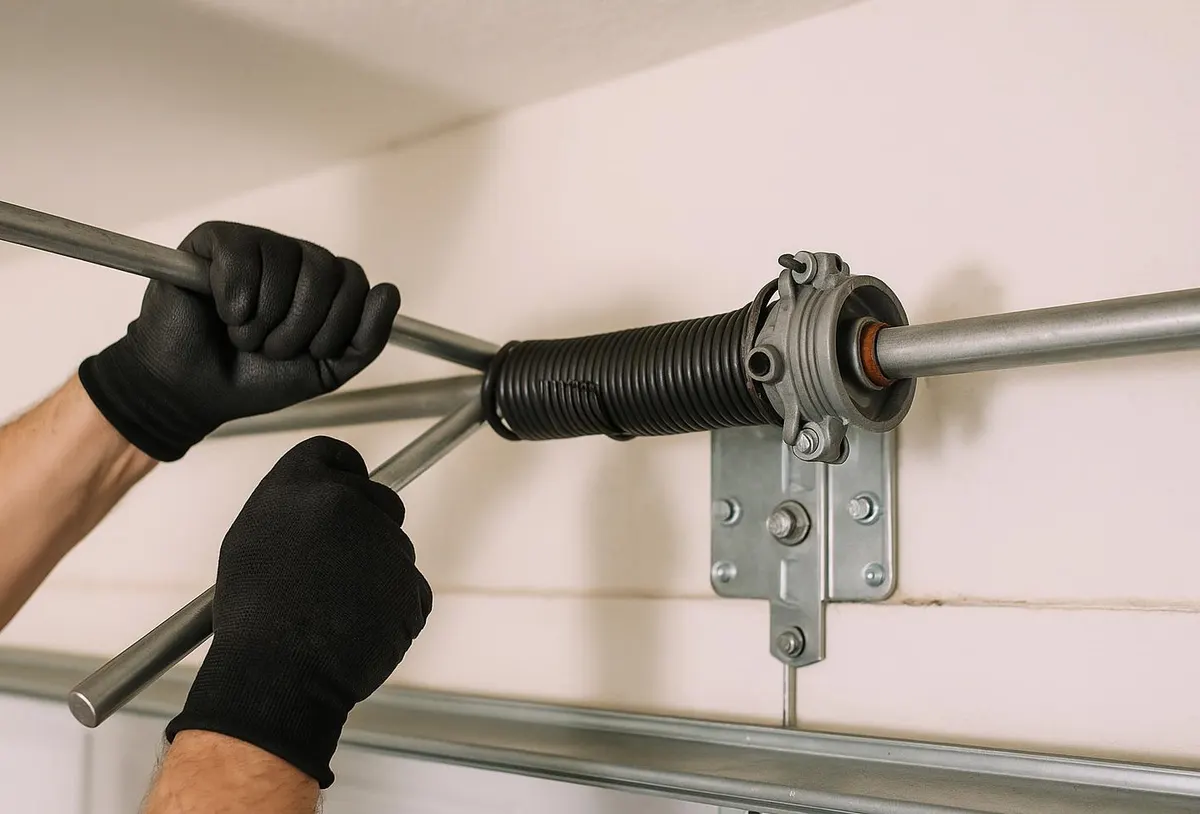
Cold weather makes springs under tension work harder, and a door that's already slightly out of balance will show it more obviously once temperatures drop. Disconnect the opener, lift the door halfway by hand, and let go. It should hold its position. If it drifts down or springs up, the tension is off and the opener is compensating for it every time the door cycles. That's extra wear heading into a season where you'll be opening the door into colder, heavier air. This isn't a spring replacement job for a homeowner to attempt, but it is worth flagging before winter rather than discovering it mid-February when the door won't budge.
Insulation Matters More Than People Think
If your garage shares a wall with living space, or you store anything temperature-sensitive out there, an uninsulated door lets a lot of cold air through. It won't match a wall's insulation, but a basic foam-backed insulation kit on the inside of the panels cuts down on heat loss and condensation buildup, which matters given how much moisture already collects around garages here between humid summers and winter rain.
When to Call West Columbia Garage Door
If you've gone through this checklist and still have a door that drags, a seal that won't sit flush no matter how it's adjusted, or an opener battery that won't hold a charge, that's when it's worth a call. We handle garage door maintenance visits that cover exactly this kind of pre-winter tune-up: lubrication, hardware inspection, balance checks, and weatherstripping replacement in one trip. If something's gone further than routine upkeep, like a motor that's straining or hardware that's rusted through, our garage door opener repair and installation service can get it sorted before the next cold front or ice advisory comes through.
Don't wait for the first hard freeze to find out what winter exposed. Call West Columbia Garage Door today to schedule a winter maintenance visit and keep your garage door running smoothly through whatever this season in West Columbia, SC brings.